
By Javed Ahsan, Entrepreneur | Business Growth & Innovation Consultant | Executive Coach & Corporate Trainer
Synoposis
Entrepreneurship is often regarded as a journey of freedom, autonomy, and impact. However, many founders find themselves deeply entangled in fundraising cycles, investor demands, and rapid scaling pressures in the modern startup ecosystem. This article reflects on how pursuing external capital can slowly erode the essence of entrepreneurship, turning founders into high-responsibility professionals with limited ownership. It also explores alternative models that offer higher long-term value, sustainability, and peace of mind.
Introduction
The modern narrative of entrepreneurship has become synonymous with fundraising milestones, valuation metrics, and scaling speed. While these markers of success are widely celebrated, they often conceal the cost at which they come. Founders begin with a dream to innovate and lead, yet many eventually find themselves reporting to boards, diluted out of ownership, and burdened with performance expectations.
This article invites entrepreneurs and professionals to pause and reflect. What if entrepreneurship could be pursued differently, with more control, clarity, and contentment?
The Fundraising Cycle – Growth or Gradual Loss of Ownership
Fundraising is frequently portrayed as a necessary step in scaling a business. While it provides capital for expansion, each investment round reduces the founder’s stake and influence. What begins as a 100 per cent ownership often reduces significantly after multiple rounds.
Case of Adam Neumann and WeWork
Adam Neumann founded WeWork with a grand vision. Through billions in funding and hyper-growth, the company’s control gradually shifted to investors. Eventually, he was removed, and the company changed direction. The founder of a revolutionary brand became a bystander.
This is not an isolated case. Many startup founders retain less than 15 per cent equity after a Series C round. Despite titles such as CEO or Founder, they must align with investor expectations, board decisions, and aggressive financial targets.
The promise of freedom becomes conditional. Control becomes shared. The journey becomes a job.
Founder Transformation – From Creator to Corporate Operator
As startups scale, the founder’s role evolves. Vision gives way to operations. Innovation is replaced with financial dashboards, pitch decks, and recurring board meetings. What once inspired creativity now demands conformance.
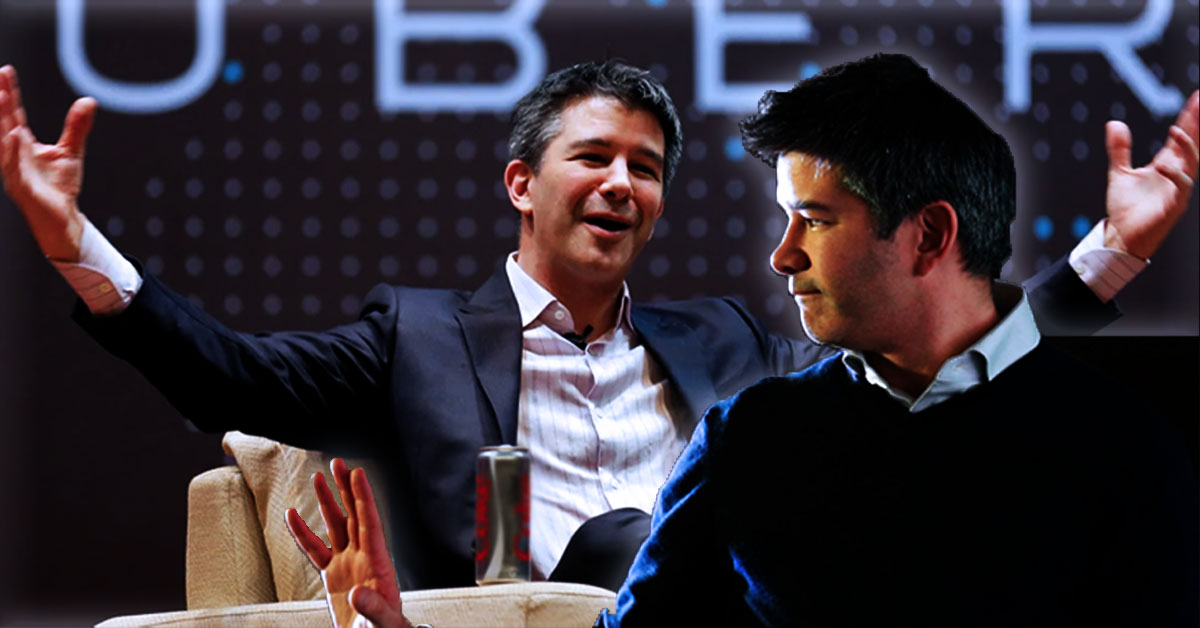
Example: Travis Kalanick and Uber
Travis Kalanick led Uber’s rapid rise. But as scrutiny intensified and investor pressure mounted, he was forced to resign. The founder of one of the world’s most influential startups exited with limited control, despite his foundational role.
This pattern is familiar. Founders frequently experience burnout, anxiety, and disconnection from their original mission. They become executives in a machine they no longer guide.
The Alternative Model – Strategic Investment with Professional Stability
An increasing number of professionals are choosing a hybrid approach. They maintain successful corporate careers while building assets and side ventures that offer ownership and independence. This path allows them to enjoy financial security while gradually developing long-term businesses on their terms.
Example: The Strategic Executive Investor
Rajesh (changed name), a senior executive in a global technology firm, invested in a niche digital agency. He provided funding, guidance, and strategic input. Over time, the agency grew profitably. Rajesh retained significant equity and influence, without leaving his full-time job or facing burnout.
This model combines the best of both worlds: a secure income stream and ownership of scalable assets. It eliminates the pressure of daily operations while nurturing long-term wealth.
Bootstrapped Success Stories – Growth Without Venture Capital
Some of the most inspiring businesses were built without external funding. These companies focused on profitability, customer experience, and long-term sustainability rather than chasing valuations.
Case of Basecamp: Calm, Profitable, and Independent
Founders Jason Fried and David Heinemeier Hansson built Basecamp as a calm company. They rejected venture capital and opted for sustainable growth. The result is a thriving business with full ownership, happy customers, and balanced lives for their team.
Case of Zoho Corporation: Billion-Dollar Bootstrapping
Sridhar Vembu, founder of Zoho, built a global SaaS empire without any venture capital. His focus on product excellence, rural employment, and customer loyalty helped him achieve success on his terms.
These founders prove that growth does not require sacrificing ownership or independence.
Redefining Entrepreneurial Success
In the current climate, success is often measured by how much money a startup raises or how many users it acquires. However, true success might be better defined by how aligned a business is with its founder’s values, how sustainable its model is, and how well it supports a fulfilling life.
We must ask a key questions here:
- Are you still connected to your original purpose?
- Do you own your time and decisions?
- Is your business serving your customers and your well-being?
- Will your business thrive without compromising your health or peace of mind?
True entrepreneurship should provide the space to live meaningfully while creating value for others.
The Rise of Quiet Entrepreneurs and Calm Companies
A growing number of founders are choosing peace overpressure. They focus on serving a defined group of customers, building trust, and growing slowly but steadily. These businesses may not make headlines, but they often bring consistent revenue, stability, and fulfilment.
Such entrepreneurs do the following:
- Retain full or majority ownership
- Make decisions based on values, not just metrics
- Build companies that prioritise human well-being
- Create long-lasting impact in their communities
This emerging trend of quiet entrepreneurship deserves more recognition. It represents a mature and conscious approach to building businesses.
Let’s Return to the Essence of Entrepreneurship
Entrepreneurship was never meant to be a sprint toward valuation. It is a journey of creating, serving, and evolving. While venture capital has enabled many groundbreaking businesses, it is not the only path. Those seeking control, impact, and personal balance should know that there are quieter and more sustainable routes available.
Founders must reflect honestly. Is the business serving your life, or is your life being consumed by the venture? Are you growing toward freedom, or drifting into dependency?
The most powerful entrepreneurs are not those who raise the most money, but those who build with clarity, purpose, and ownership.